

Can Heat Pumps Work in Old Cottages? A Practical Guide
Table of Contents
Can Heat Pumps Work in Old Cottages? The Short Answer
Heat Pump Insulation Requirements for Older Properties
Using Heat Pumps with Radiators in Period Homes
The Heat Loss Survey for Heat Pump Design
Understanding Heat Pump Flow Temperature Settings
Common Challenges and Practical Solutions
Getting Started: Next Steps for Your Cottage
Frequently Asked Questions
Last Updated: October 14, 2026
Can Heat Pumps Work in Old Cottages? The Short Answer
Yes, can heat pumps work in old cottages? The answer is yes, but success depends on your property's insulation level, radiator type, and how well you design the system. At Heatgeek Wales, we've helped countless homeowners in period properties switch from oil and LPG boilers to heat pump heating. The key isn't whether your cottage is old, it's whether you understand what the system needs to perform well.
Many older properties have solid stone walls with minimal insulation. This creates a challenge: heat pumps work most efficiently when they heat water to lower temperatures than traditional boilers. A poorly insulated cottage needs higher water temperatures to stay warm, which reduces the system's efficiency. But this problem is solvable. A proper heat loss survey, the right radiator setup, and careful system design turn old cottages into excellent heat pump candidates.
The real question isn't "will a heat pump work?" It's "how do we make it work brilliantly in this specific property?" That's where the engineering matters.
Heat Pump Insulation Requirements for Older Properties
Heat pumps perform best when your home loses heat slowly. Insulation is the foundation. Without it, your system works harder and costs more to run.
Most older cottages have solid walls rather than cavity walls. Solid walls don't have the air gap where modern insulation sits. This means your options are:
External wall insulation (applied to the outside)
Internal wall insulation (applied inside, reducing room space)
Loft insulation (the easiest and cheapest improvement)
Cavity wall insulation (if your cottage has cavity walls)
You don't need perfect insulation to run a heat pump successfully. Many properties with solid walls and modest insulation levels work well. What matters is honest assessment. A heat loss survey tells you exactly what you're working with.
The efficiency gains depend on your starting point. A cottage with no loft insulation gains far more from adding it than one already insulated to modern standards. Start with the cheapest, highest-impact improvements: loft insulation, draught-proofing around doors and windows, and pipe lagging.
Pro Tip Loft insulation is your fastest win. Adding 200mm of mineral wool costs less than other improvements but saves significant heat loss. Most older cottages lose 25% of heat through the roof (Heat Loss and Insulation).
Using Heat Pumps with Radiators in Period Homes
This is where many people worry unnecessarily. Heat pumps work with radiators. You don't need to rip out your existing heating system and replace it with underfloor heating or new radiators.
Here's what you need to know: heat pumps deliver water at lower temperatures than oil or LPG boilers. A traditional boiler heats water to 70-80°C. A heat pump typically delivers 35-50°C. Your radiators need to be large enough to release heat at these lower temperatures.
Most older radiators are oversized for their rooms. They were designed for high-temperature systems. This actually works in your favour. A radiator that's larger than the room needs means it can deliver the same heat at lower water temperatures.
Some properties do need larger radiators. A heat loss survey identifies which rooms fall short. You might replace radiators in one or two rooms while keeping the rest. This is far cheaper than replacing your entire heating system.
The alternative is a hybrid approach: run your heat pump alongside your existing boiler. Your heat pump handles the majority of heating. The boiler acts as backup on the coldest days. This strategy works well for properties where radiator sizing is borderline.
Watch Out Don't assume your radiators are too small. A proper survey tells you which ones need attention. Replacing radiators you don't need wastes money.
The Heat Loss Survey for Heat Pump Design
A heat loss survey is the foundation of every successful heat pump installation in an older property. It's not optional guesswork, it's the blueprint for your system.
This survey measures how much heat your cottage loses through walls, windows, doors, loft, and floor. It accounts for your insulation level, air tightness, and building construction. From this data, engineers calculate the heat output your system needs.
The survey also identifies which rooms lose the most heat. This guides decisions about radiator sizing and system design. Without it, you're installing a heat pump blind.
At Heatgeek Wales, we carry out heat loss surveys for customers planning a heat pump installation. If you contact us directly, we'll conduct the survey for free. This survey becomes the basis for your system design and gives you confidence that your heat pump will perform as expected.
The survey process is straightforward. We visit your property, take measurements, assess insulation levels, and gather information about your building. We then calculate heat loss using recognised industry standards. You receive a detailed report showing exactly what your system needs.
Key Takeaway A heat loss survey removes guesswork from heat pump design. It's the single most important step before installation.
Understanding Heat Pump Flow Temperature Settings
Flow temperature is the temperature of water leaving your heat pump to your radiators. This single setting affects both comfort and efficiency.
Set it too high, and your system works harder, consuming more electricity. Set it too low, and your radiators can't keep your home warm. The sweet spot depends on your property's insulation and radiator size.
A well-designed system runs at the lowest flow temperature that keeps your home comfortable. For modern, well-insulated homes, this might be 35-40°C. For older cottages with solid walls and standard insulation, it's often 45-55°C.
Your heat pump includes controls to adjust flow temperature. Modern systems have weather compensation: they automatically lower flow temperature on mild days and raise it on cold ones. This optimises efficiency throughout the year.
The key insight is this: don't assume your cottage needs 70°C water. Most don't. A heat loss survey and proper system design determine the right setting for your specific property. Get this right, and your heat pump runs efficiently. Get it wrong, and you waste energy chasing comfort.
Common Challenges and Practical Solutions

Older cottages present real challenges. Understanding them helps you plan realistically.
Solid walls and poor insulation. This is the most common concern. Solid stone walls don't insulate well. Solution: assess your current insulation honestly. Many cottages with modest insulation run heat pumps successfully. Prioritise high-impact improvements like loft insulation and draught-proofing. External wall insulation is effective but costly. Internal insulation works too but reduces room space.
Radiator sizing. Some older radiators are too small for heat pump temperatures. Solution: a heat loss survey identifies which radiators need upgrading. You rarely need to replace every radiator. Often, upgrading two or three solves the problem.
Plumbing layout. Older cottages sometimes have complicated pipe runs or poor circulation. Solution: modern heat pumps and controls manage this well. Installers design the pipework to work with your existing layout where possible.
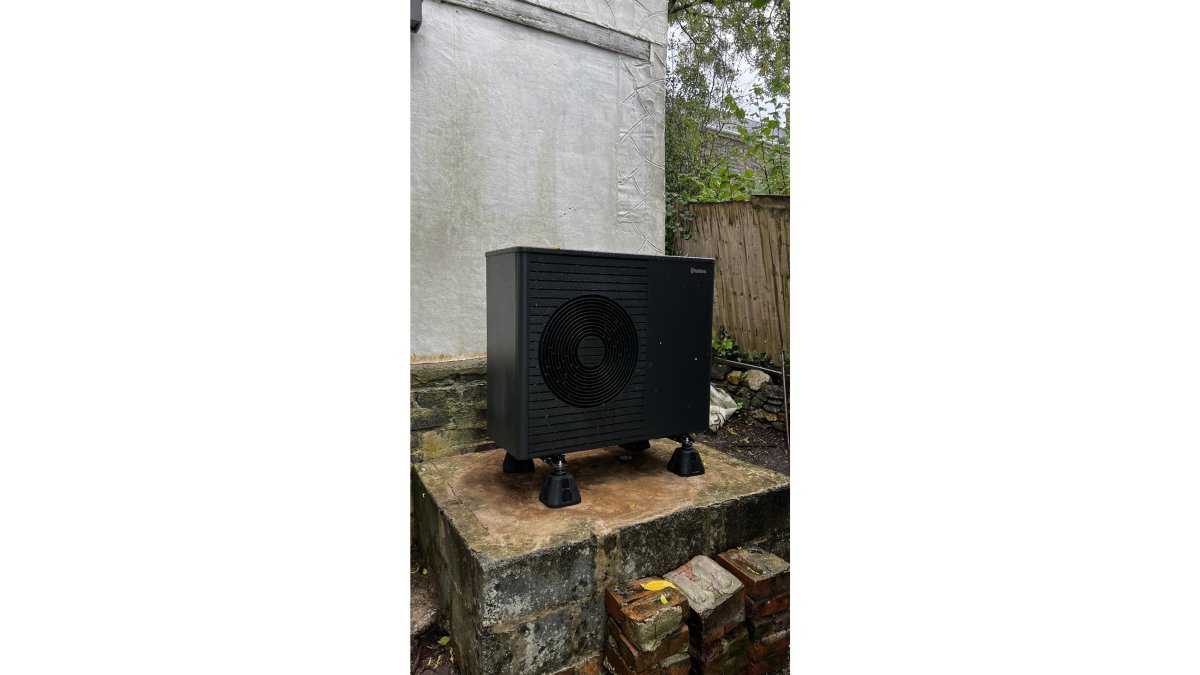
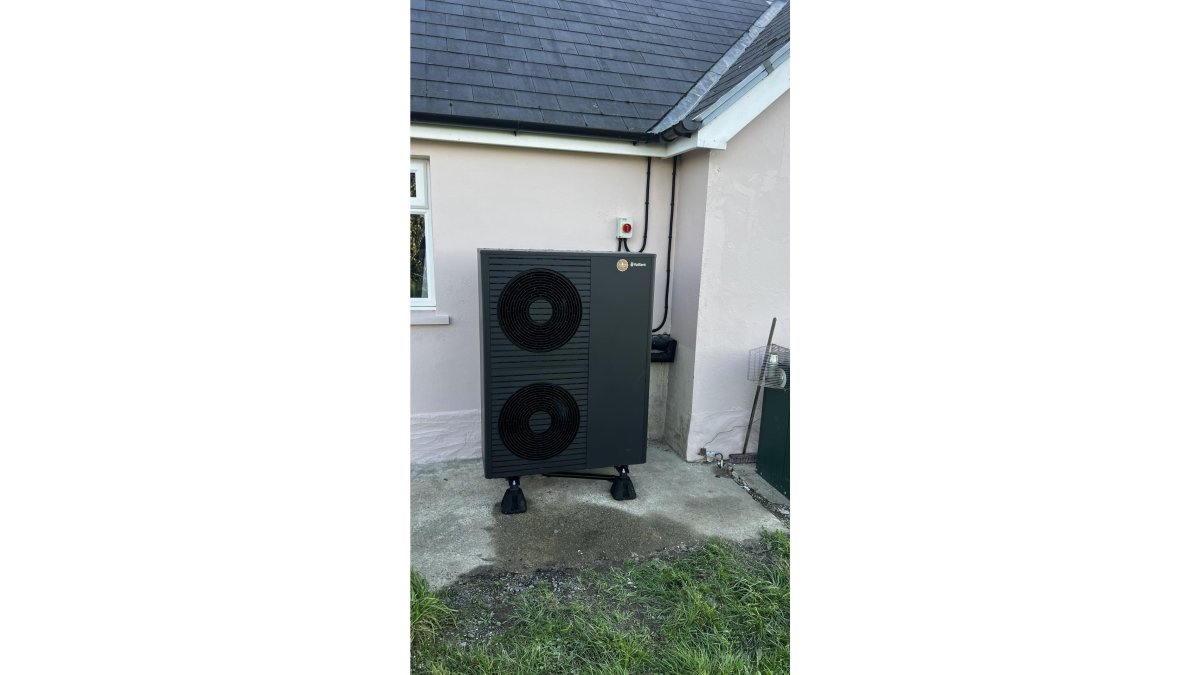
Space for outdoor unit. Heat pumps need an outdoor unit for air source systems. Older properties sometimes have limited space. Solution: air source units are compact. Most properties find suitable locations. If space is truly constrained, discuss options with your installer.
Existing boiler removal. Removing an old oil or LPG boiler costs time and money. Solution: plan this as part of your overall project. Your installer handles the disconnection and safe removal.
Noise concerns. Heat pump outdoor units produce some noise. Solution: modern units are quieter than older equipment. Placement away from neighbours' windows minimises impact. Acoustic enclosures are available if needed.
The pattern is clear: challenges exist, but solutions exist too. None of them are insurmountable with proper planning.
Getting Started: Next Steps for Your Cottage
If you're considering a heat pump for your older cottage, here's how to move forward practically.
Step 1: Assess your current heating. What are you running now? Oil boiler? LPG? Electric storage heaters? Understanding your baseline helps you estimate potential savings.
Step 2: Get a heat loss survey. This is your starting point. It tells you what your system needs and identifies any radiator upgrades required. Contact Heatgeek Wales for a free survey; it gives you the data to make an informed decision.
Step 3: Evaluate insulation improvements. Based on your survey, identify which insulation upgrades make sense. Loft insulation usually comes first. It's affordable and delivers quick returns.
Step 4: Discuss system design. Work with an MCS-certified installer to design your heat pump system. They'll specify the right unit size, radiator changes, and control settings for your property.
Step 5: Explore funding options. Check your eligibility for the Boiler Upgrade Scheme or Warm Homes Nest grants. These can offset installation costs significantly.
Step 6: Plan installation. A typical installation takes 2-5 days depending on your property and existing setup. Your installer will discuss timings and any disruption.
Heat pumps work in old cottages. Thousands of period properties across the UK now run them successfully. The difference between success and disappointment comes down to proper assessment and design. That's where we come in.
Frequently Asked Questions
Can a heat pump work in an old cottage?
Yes, heat pumps can work effectively in old cottages, but success depends on three factors: insulation quality, radiator compatibility, and proper system design. A detailed heat loss survey determines whether your cottage's current structure supports efficient heat pump operation. Many older properties do require insulation improvements, but this investment often qualifies for government grants like the Boiler Upgrade Scheme, making the total cost manageable.
Does an old cottage need better insulation before a heat pump is installed?
Not always. A professional heat loss survey identifies exactly what insulation upgrades your cottage needs. Some older properties with solid walls and modest insulation can still achieve significant savings with a correctly sized heat pump, whilst others benefit from targeted improvements first. The survey reveals the most cost-effective path forward for your specific property.
Can heat pumps work with radiators in an old cottage?
Yes, heat pumps work with existing radiators, but they operate most efficiently at lower flow temperatures than traditional boilers. Your radiators may need to be larger or supplemented with additional heat emitters to maintain comfort at these lower temperatures. A heat loss survey and system design will confirm whether your current radiators are suitable or if modifications are needed.
What happens if my cottage is too draughty for a heat pump?
Draughts reduce any heating system's efficiency, not just heat pumps. A heat loss survey quantifies heat loss from air leakage and identifies the most cost-effective remedies: draught-proofing, secondary glazing, or insulation work. Many of these improvements qualify for government support. Once draughts are addressed, your heat pump will perform as designed.
At Heatgeek Wales, we specialise in heat pump installations for older properties. Our MCS-certified engineers design systems based on detailed heat loss surveys and your property's specific needs. We handle everything from system design to installation and ongoing remote monitoring. If you're ready to explore whether a heat pump works for your cottage, contact us for your instant heat pump estimate and we'll arrange your free heat loss survey.
Click for your Instant heatpump estimate here
Comments