

Heat Pump vs Gas Boiler: Installation Cost 2026
Table of Contents
Heat Pump vs Gas Boiler: Installation Cost Comparison
Key differences at a glance
Air Source Heat Pump Installation Cost: What to Expect
Factors that influence your final quote
Gas Boiler Replacement Cost: The Upfront Picture
What determines boiler replacement pricing
Heat Pump Running Costs vs Gas Boiler: Long-Term Savings
Heat Pump Radiator Compatibility: System Design Considerations
Existing radiators and heat pump performance
Government Grants and Financial Support
Making Your Decision: Which System Suits Your Home?
Frequently Asked Questions
Last Updated: 14 October 2026
Heat Pump vs Gas Boiler: Installation Cost Comparison
When homeowners in Wales face a heating system decision, the upfront cost feels like the deciding factor. But comparing heat pump vs gas boiler installation cost reveals something most people miss: the initial expense tells only half the story.
A heat pump typically costs more to install than a gas boiler replacement. That's the straightforward part. What matters more is understanding what drives those costs, how long each system lasts, and what you'll actually spend over the years you own your home.
The choice between these two systems isn't really about which costs less upfront. It's about which one makes financial sense for your specific property, your energy usage, and your long-term plans.
Key differences at a glance
Heat pumps and gas boilers operate on completely different principles, and that difference shapes everything about cost and performance.
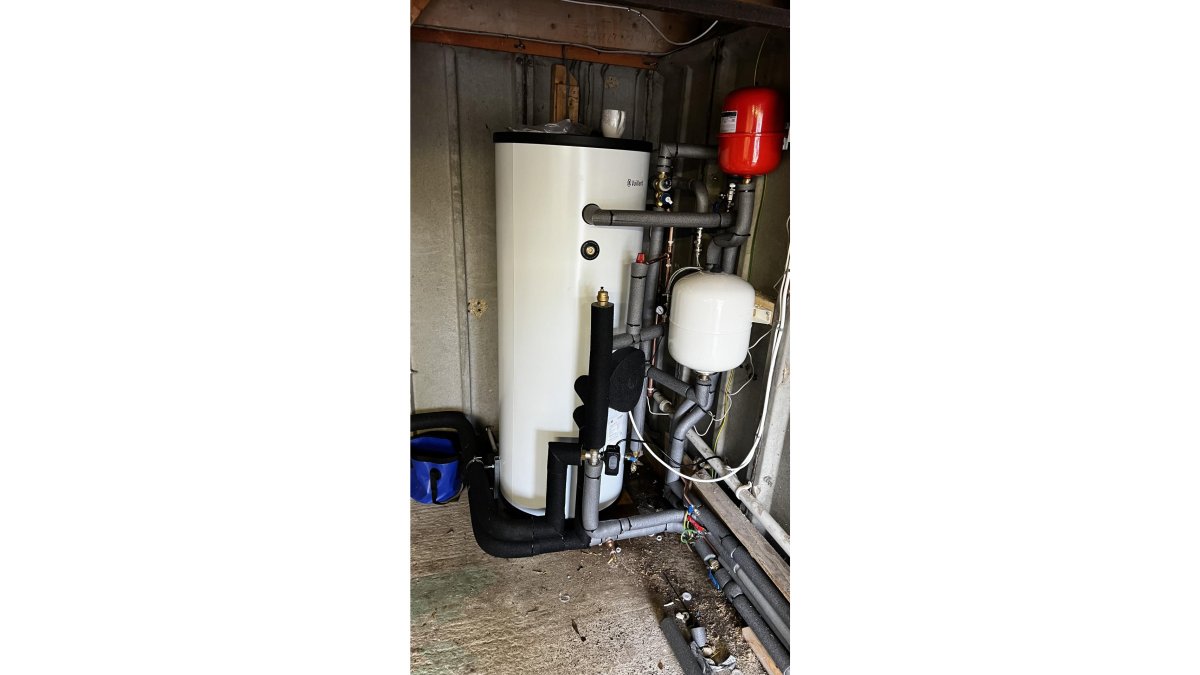
A gas boiler burns fuel to generate heat directly. Installation involves connecting pipework, a flue, and gas supply. The work is straightforward, and most qualified engineers can complete it quickly. A heat pump extracts heat from the air (or ground, though we focus on air source systems) and uses electricity to move that heat into your home. Installation requires outdoor unit placement, refrigerant lines, electrical work, and often system modifications to your heating distribution.
The gas boiler wins on installation speed and simplicity. The heat pump wins on efficiency and running costs, but only if your home is suitable for one.
Aspect | Heat Pump | Gas Boiler |
Installation complexity | High (electrical, refrigerant, outdoor unit) | Low (gas connection, flue, pipework) |
Time to install | 2-3 days typically | 1 day typically |
System lifespan | 15-20 years | 10-15 years |
Annual maintenance | Minimal (filter checks) | Annual servicing recommended |
Running cost efficiency | High (up to 300% efficiency rating) | Lower (85-95% efficiency) |
Best for | Well-insulated homes, long-term occupancy | Quick replacement, budget-conscious |
Air Source Heat Pump Installation Cost: What to Expect
Air source heat pump installation cost in Wales varies significantly based on property size, existing heating system, and installation complexity.
Installation involves several components: the outdoor unit itself, indoor pipework and controls, electrical upgrades, and system commissioning. Each adds to the total. A straightforward installation in a modern semi-detached home costs less than retrofitting an older terraced property with solid walls and limited electrical capacity.
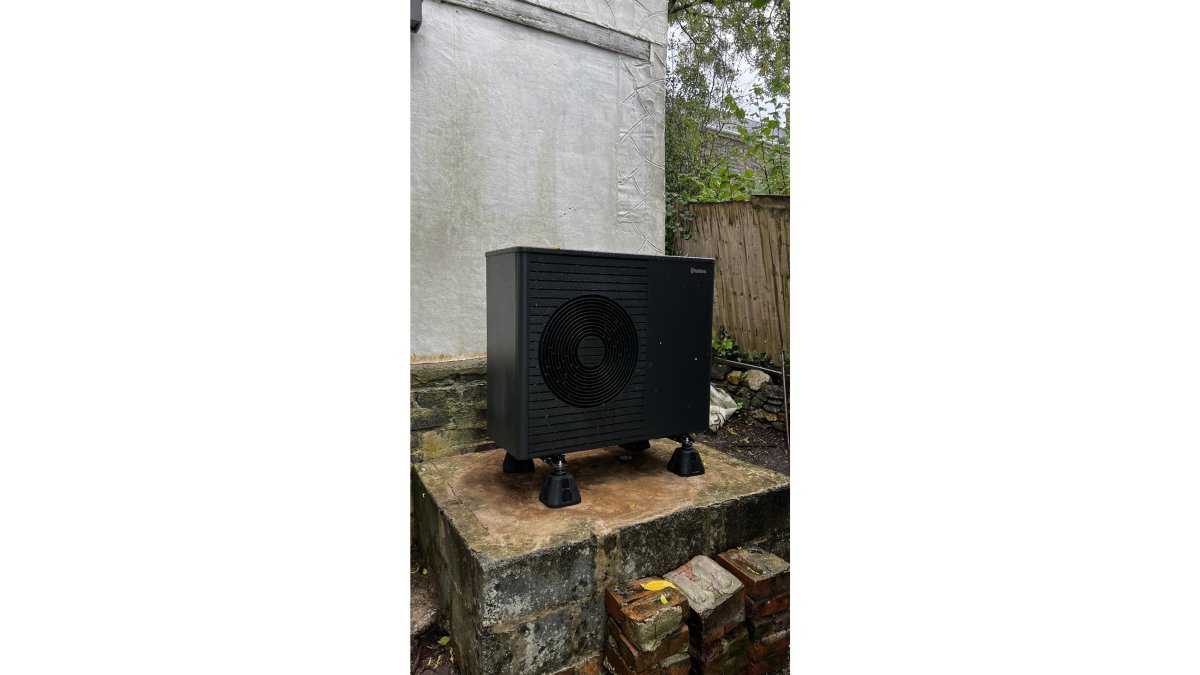
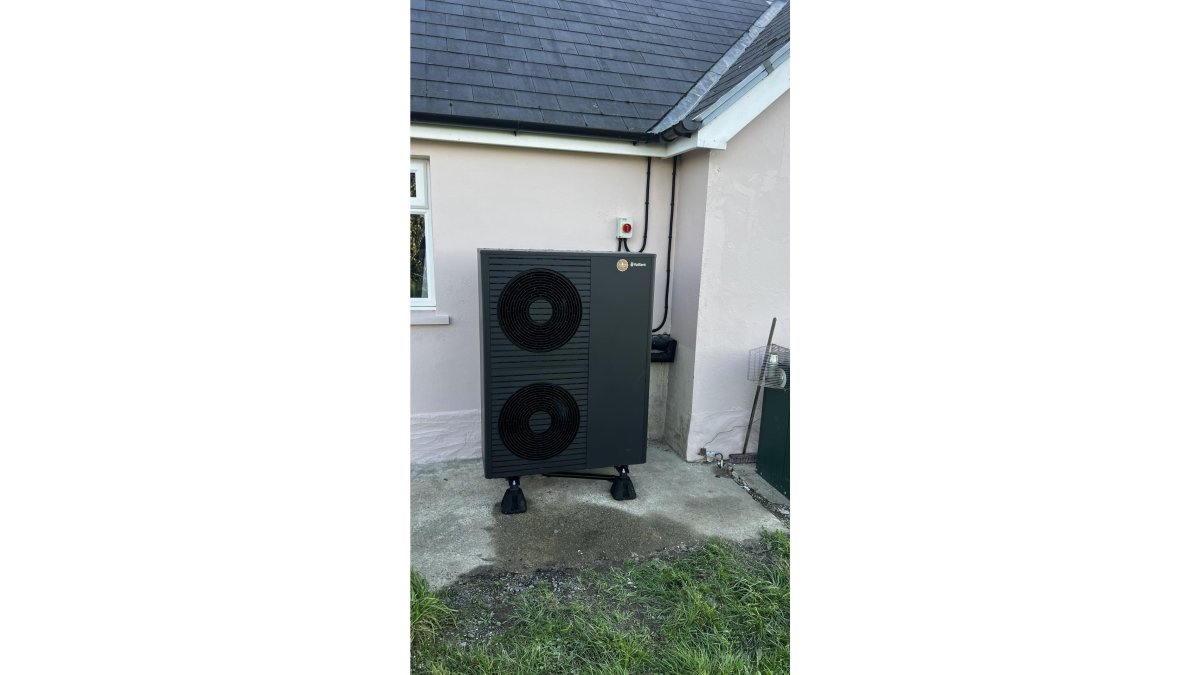
The outdoor unit must be positioned where it can draw air efficiently, typically on a wall or ground-mounted. If your property has limited outdoor space, or if the ideal location requires long refrigerant runs, installation becomes more involved.
Pro Tip Request a detailed breakdown from any installer. A proper quote should itemise the outdoor unit, indoor pipework, electrical work, controls, and commissioning separately. This transparency helps you understand where costs concentrate and whether you're comparing like-for-like quotes.
Factors that influence your final quote
Several variables determine what you'll pay for air source heat pump installation.
If you're replacing an old gas boiler with existing radiators, the installer must assess whether those radiators work efficiently with a heat pump.
Your home's insulation level matters enormously. A well-insulated property with good windows and loft insulation requires a smaller heat pump, which costs less.
Electrical infrastructure is another factor. Heat pumps draw more electricity than gas boilers. If your home's electrical supply is limited, upgrading the consumer unit and wiring becomes necessary.
Location within Wales affects labour costs and engineer availability. Rural properties may involve longer travel times, reflected in the quote.
Watch Out Avoid choosing an installer solely on price. A suspiciously low quote often means corners cut, undersized equipment, poor positioning of the outdoor unit, or inadequate system commissioning. This leads to poor performance and higher running costs later.
Gas Boiler Replacement Cost: The Upfront Picture
Gas boiler replacement cost remains significantly lower than heat pump installation. The work is faster, the components simpler, and most engineers have extensive experience with the process.
A straightforward boiler swap, removing the old unit and installing a new one in the same location, involves minimal disruption. The new boiler connects to existing pipework, the flue, gas supply, and electrical controls.
However, "straightforward" doesn't always apply. Older properties sometimes have outdated pipework or flues that don't meet current standards. Updating these adds cost and time. Modern boilers are also more efficient than older models, which can mean different flow rates and pressure requirements, occasionally requiring pipework modifications.
What determines boiler replacement pricing
The boiler model itself is the primary cost driver. Entry-level condensing boilers cost less than premium brands with advanced controls and higher efficiency ratings.
Installation location influences cost. Boilers installed in accessible spaces, kitchen, utility room, garage, cost less than those requiring pipework runs through multiple rooms or into lofts.
The flue system can add expense. If the existing flue is unsuitable for a new condensing boiler, installing a new one (often a plastic pipe to an external wall) becomes necessary.
Gas supply condition matters too. If the gas pipe to your boiler is old or undersized, upgrading it adds to the bill. A qualified gas engineer (Gas Safe registered) must handle this work.
Key Takeaway A gas boiler replacement is typically a one-day job with lower installation costs than a heat pump. The real cost consideration isn't installation, it's the running expense over the boiler's 10-15 year lifespan.
Heat Pump Running Costs vs Gas Boiler: Long-Term Savings
This is where the comparison shifts dramatically. Installation cost matters far less than what you'll spend heating your home over the next 15-20 years.
Heat pumps deliver heat far more efficiently than gas boilers. A modern air source heat pump achieves a coefficient of performance (COP) of 3 to 4, meaning for every unit of electricity consumed, the system delivers 3 to 4 units of heat.
The practical impact: a heat pump typically cuts heating costs significantly compared to gas. Homes with good insulation and reasonable heating demand can see reductions of 50% or more.
Running costs depend on your local electricity and gas prices, your home's insulation, and your heating habits. A well-insulated modern home might spend £800-1,200 annually on heating with a heat pump, versus £1,500-2,000 with gas.
Gas prices also fluctuate with global markets.
Best For Heat pumps suit homeowners planning to stay in their property for at least 10 years and willing to invest in home improvements (insulation, radiators) to maximise efficiency. Gas boilers suit those prioritising lowest upfront cost or planning to move within 5 years.
Heat Pump Radiator Compatibility: System Design Considerations
One of the most misunderstood aspects of heat pump installation is radiator compatibility. This affects both installation cost and long-term performance.
Heat pumps operate most efficiently when delivering heat at lower temperatures than gas boilers. Older radiators, designed for high-temperature water from gas boilers, may not release enough heat at the lower temperatures a heat pump provides. This doesn't mean heat pumps won't work with existing radiators, it means the system must be larger, running longer to achieve the same comfort. That increases installation cost and running expense.

Existing radiators and heat pump performance
Modern heat pumps are designed to work with standard radiators, but the radiator size matters. If your radiators are undersized, common in older properties where gas boilers were oversized, a heat pump struggles to deliver sufficient heat.
Underfloor heating pairs exceptionally well with heat pumps because it operates efficiently at the lower temperatures heat pumps naturally provide.
System design at installation is critical. A proper survey, which we carry out for free at Heatgeek Wales, assesses your radiators, insulation, and heating demand.
Many installers skip this detailed assessment and simply replace a boiler with a similarly sized heat pump. That's a false economy. The right approach involves understanding your home's actual heating needs and designing the system accordingly.
Government Grants and Financial Support
Financial support schemes reduce the upfront cost barrier for heat pumps, making the total cost of ownership far more competitive with gas boilers.
The Boiler Upgrade Scheme provides grants toward heat pump installation costs for eligible homeowners. The grant amount and eligibility criteria can change, so checking current details with a qualified installer is essential.
The Warm Homes Nest scheme in Wales offers grants and support for energy efficiency improvements, including heating system upgrades. Eligibility depends on property type, income, and heating fuel.
Some local authorities in Wales offer additional support for renewable heating or energy efficiency. These schemes vary by area, so contacting your local council provides details on what's available in your region.
Grants don't eliminate the upfront cost, but they make heat pump installation far more affordable.
Making Your Decision: Which System Suits Your Home?
Choosing between heat pump and gas boiler installation isn't purely financial, it's about your circumstances, your property, and your priorities.
Choose a heat pump if: You're planning to stay in your home for 10+ years, your property is reasonably well-insulated (or you're willing to improve it), you want to minimise long-term running costs, and you're eligible for government support.
Most homeowners in Wales find that a heat pump makes financial sense over a 15-year horizon, especially with government support available. But the decision depends on your specific situation.
A detailed home survey, assessing insulation, radiators, electrical capacity, and heating demand, transforms this decision from guesswork into informed choice.
The real cost of heating your home isn't what you pay on installation day, it's what you'll spend over the next 15 years. Heat pumps typically cost more upfront but deliver substantial savings through their lifespan. Our team at Heatgeek Wales specialises in MCS-certified heat pump design and installation, with 24/7 remote monitoring to ensure your system performs at peak efficiency. Click for your instant heat pump estimate here and discover how much you could save.
Frequently Asked Questions
Is it more expensive to install a heat pump than a gas boiler?
Yes, heat pump installation typically requires a larger upfront investment than gas boiler replacement. However, this higher initial cost is offset by significantly lower running costs over time. Heat pumps can reduce energy consumption by up to 70% compared to traditional systems, meaning your monthly heating bills drop substantially. Many homeowners recoup their investment within 7-10 years through energy savings alone, making it a worthwhile long-term decision for reducing both bills and carbon footprint.
What factors affect the cost of installing an air source heat pump?
Several factors influence air source heat pump installation cost: property size and heat loss requirements, existing heating system type, radiator compatibility and whether upgrades are needed, pipework modifications required, electrical upgrades for the outdoor unit, and your property's insulation standard. Properties with solid walls or poor insulation may need assessment work before installation. A data-backed heat loss survey identifies exactly what your home needs, ensuring you're quoted for the right system size rather than oversizing, which would waste money.
Can a heat pump work with my existing radiators and pipework?
Heat pumps can often use existing radiators and pipework, but compatibility depends on your system design. Modern heat pumps operate efficiently at lower water temperatures than gas boilers, so larger or additional radiators may be needed in some cases to distribute heat effectively. A professional survey assesses your current setup and determines whether modifications are necessary. Many properties benefit from a combination of existing radiators and targeted upgrades, rather than replacing everything. This flexibility helps control installation costs while maintaining system performance.
How do heat pump running costs compare to a gas boiler?
Heat pump running costs are substantially lower than gas boilers because they use electricity to move heat rather than burning fuel to create it. A heat pump can deliver 3-4 units of heat for every 1 unit of electricity consumed, whereas gas boilers convert fuel at roughly 90% efficiency. This efficiency advantage means your monthly heating bills drop significantly, often by 50-70% depending on your current system and energy tariffs. Over a 15-year lifespan, these savings accumulate to thousands of pounds, making the higher installation cost a sound financial investment.
What grants are available to help with heat pump installation costs?
The Boiler Upgrade Scheme provides a grant towards heat pump installation for eligible homeowners. Additionally, the Warm Homes Nest scheme offers support in Wales for energy efficiency improvements, including heat pump installation. Eligibility depends on property type, energy performance, and household circumstances. Contact Heatgeek Wales directly for a free survey and guidance on which schemes you qualify for; if you contact us directly, we'll carry out the survey for free, saving you £250. This helps you understand the true cost after available support.
Click for your Instant heatpump estimate here
Comments