

Alternatives to LPG Heating for Off-Grid Homes
Last Updated: October 23, 2026
Quick Summary
Alternatives to LPG heating for off-grid homes include air source heat pumps, biomass boilers, electric heating, and wood-burning stoves. Heat pumps offer the best efficiency gains, reducing energy consumption by up to 70% compared to LPG whilst integrating seamlessly with renewable electricity generation from solar panels or wind turbines.
Air source heat pumps deliver 3 to 4 times more heat energy than the electricity they consume.
Off-grid heat pump systems typically pair 8-12 kW of solar panels with 10-15 kWh battery storage and a 5-8 kW heat pump.
Older properties benefit from external wall insulation before heat pump installation to maximise efficiency gains.
Heat pumps require minimal maintenance, typically just annual filter cleaning and occasional refrigerant checks.
Oil heating costs £1,500 to £2,500 annually, whilst heat pumps running on renewable electricity dramatically reduce operational costs.
Table of Contents
Why Off-Grid Homeowners Replace LPG Heating
Air Source Heat Pump for Off-Grid Homes
How air source heat pumps work in off-grid settings
Installation and electricity requirements
Heat Pump Suitability for Older Homes
Solid walls and insulation considerations
Radiator compatibility and system design
Heat Pump Versus Oil Heating
Running costs and energy efficiency
Maintenance and reliability
Biomass Boilers as an Alternative
Electric Heating Options
Solar Panels and Heat Pumps
Wood-Burning Stoves for Off-Grid Properties
Frequently Asked Questions
Why Off-Grid Homeowners Replace LPG Heating
Off-grid homeowners often turn to alternatives to LPG heating for off-grid homes because fossil fuel systems carry mounting costs and environmental concerns. LPG boilers demand regular fuel deliveries, rising fuel prices eat into budgets, and the carbon footprint sits uncomfortably with many property owners seeking sustainable solutions.
The real driver, though, is efficiency. Traditional LPG systems waste significant energy through heat loss and outdated combustion technology. Homeowners discover that switching to alternatives to LPG heating for off-grid homes can reduce energy consumption dramatically, sometimes by 70% or more, whilst delivering superior comfort and lower running costs over time.
At Heatgeek Wales, we help off-grid homeowners evaluate which heating system makes sense for their specific property. The choice depends on your home's age, insulation levels, available space, and budget. Below, we break down the main alternatives and what each one actually delivers.
Air Source Heat Pump for Off-Grid Homes
An air source heat pump is a renewable heating system that extracts warmth from outside air and transfers it indoors via refrigerant circulation, delivering heating (and cooling) with minimal electricity input. For off-grid homes, this technology offers compelling efficiency gains compared to LPG.
How air source heat pumps work in off-grid settings
Air source heat pumps operate using the same thermodynamic principle regardless of grid connection. They pull latent heat from the air outside, even in cold conditions, and concentrate it for space heating and hot water. The system requires electricity to run the compressor and circulation pump, but the heat output typically exceeds the electrical input by a factor of 3 to 4.
Off-grid properties usually generate electricity via solar panels, wind turbines, or both. A heat pump's electricity demand integrates well with renewable generation, especially when paired with battery storage. The system runs most efficiently during daylight hours when solar output peaks, and stored energy covers evening demand.
Installation and electricity requirements
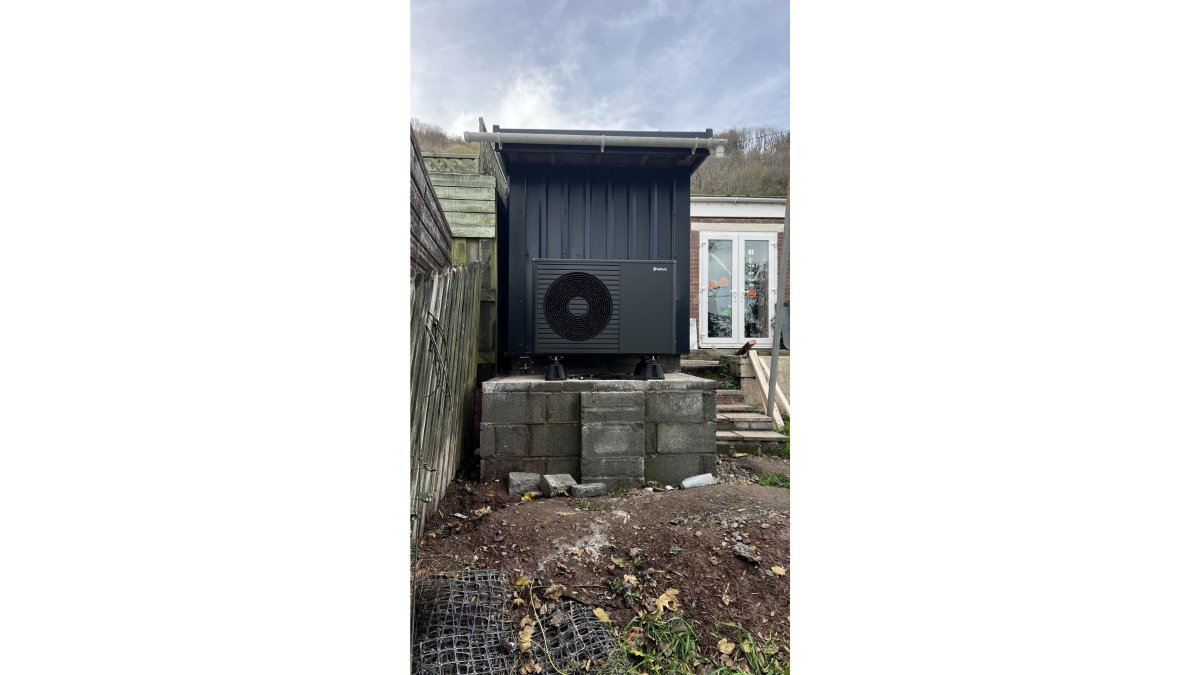
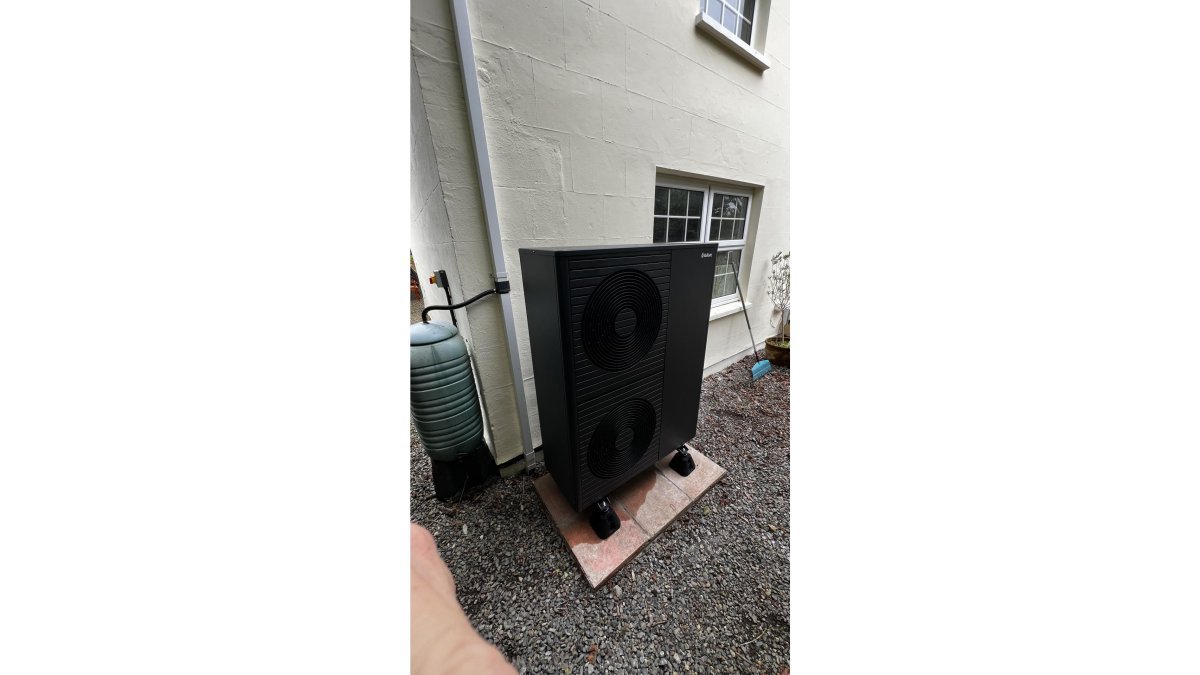
Installing an air source heat pump in an off-grid home requires careful planning. The system needs adequate outdoor space for the external unit, typically 1 to 2 metres from walls and obstacles, and electrical infrastructure sized to handle the compressor's starting load.
Most off-grid systems require a minimum 10 kW electrical capacity to run a heat pump reliably. If your current renewable generation or battery storage falls short, you'll need to upgrade solar panels, wind turbines, or battery capacity before installation. This adds upfront cost but creates a complete renewable heating and power ecosystem.

Heat Pump Suitability for Older Homes
Older properties, particularly those built before 1990, often present challenges for heat pump installation. Solid walls, poor insulation, and oversized radiator systems designed for high-temperature boilers can reduce heat pump efficiency. However, these challenges are rarely insurmountable.
Solid walls and insulation considerations
Solid-walled properties lose heat faster than cavity-wall homes, which means a heat pump must work harder to maintain indoor temperature. The system still functions, but efficiency drops if the building fabric remains uninsulated. Many older homes benefit from external wall insulation before heat pump installation, which improves the overall efficiency gain.
Internal insulation is an alternative where external work isn't feasible, though it reduces usable floor space slightly. The investment in insulation typically pays for itself within 5 to 10 years through reduced heating bills, especially when combined with a heat pump's superior efficiency.
Radiator compatibility and system design
Older radiators were sized for 70°C water temperatures from conventional boilers. Heat pumps typically deliver 45-55°C water, which means some radiators won't generate enough heat in cold weather. Upgrading to larger radiators or adding underfloor heating resolves this, though it increases installation cost.
A data-backed design, like those Heatgeek Wales creates from detailed heat loss surveys, ensures your radiator system matches the heat pump's output. This prevents the false belief that heat pumps "don't work" in older homes; the reality is that proper system design makes them highly effective.
Heat Pump Versus Oil Heating
Oil boilers are common in off-grid properties where mains gas is unavailable. Comparing heat pumps to oil systems reveals significant differences in running costs, maintenance, and environmental impact.
Running costs and energy efficiency
Oil heating costs depend on fuel price and consumption. A typical off-grid home using oil heating spends £1,500 to £2,500 annually on fuel, depending on property size and winter severity. Heat pumps, by contrast, consume electricity, and off-grid systems generate their own via renewables, dramatically reducing operational costs.
Over time, the cumulative savings from switching to a heat pump can be significant compared to oil. The initial investment is higher, but the long-term economics favour renewable heating decisively.
Maintenance and reliability
Oil boilers require annual servicing, periodic tank cleaning, and eventual replacement of burner components. Heat pumps have fewer moving parts, no combustion process, and minimal maintenance, typically a filter clean annually and occasional refrigerant checks.
Oil delivery logistics also create dependency on fuel suppliers. Heat pumps operate independently once installed, drawing energy from your own renewable system. This autonomy appeals strongly to off-grid homeowners prioritising self-sufficiency.
Biomass Boilers as an Alternative
Biomass boilers burn wood pellets, logs, or wood chips to generate heat. For off-grid properties with space and access to fuel supply, biomass can be a viable alternative to LPG heating for off-grid homes.
Biomass systems require storage space for fuel, typically a dedicated shed or bunker. Fuel costs depend on local wood availability and market prices. The systems need regular cleaning and ash removal, and they produce emissions (though lower carbon than fossil fuels if sustainably sourced wood is used).
Biomass works best as a primary heating system for properties where fuel supply is reliable and storage isn't constrained. For most off-grid homes seeking low-maintenance renewable heating, heat pumps or electric systems prove simpler and more practical.
Electric Heating Options
Direct electric heating, via storage heaters, immersion tanks, or electric boilers, offers simplicity and zero emissions at point of use. For off-grid homes with strong renewable generation, electric heating can be cost-effective.
Storage heaters charge overnight using off-peak electricity and release heat throughout the day. They suit homes with predictable heating patterns but perform poorly in variable climates where unexpected cold arrives mid-day. Electric boilers provide instant hot water but consume more electricity than heat pumps delivering equivalent warmth.
Electric heating works best as a supplementary system alongside renewables, not as the primary heating source for most off-grid properties.
Solar Panels and Heat Pumps
The combination of solar panels and heat pumps creates a genuinely renewable heating system. Solar generation peaks during spring and autumn, exactly when many properties need moderate heating. Winter generation is lower, but modern battery storage bridges the gap.
A typical off-grid installation pairs 8-12 kW of solar panels with 10-15 kWh of battery storage and a 5-8 kW heat pump. This configuration delivers reliable heating year-round whilst maintaining electricity for appliances and lighting.
The synergy works because heat pumps are flexible: they run whenever renewable electricity is available, and battery storage smooths demand across daylight and evening hours. Few other heating systems integrate this cleanly with renewable generation.
Wood-Burning Stoves for Off-Grid Properties
Wood-burning stoves provide supplementary heating and ambiance for off-grid homes. They're not primary heating systems, they warm a single room effectively and require manual fuel loading, but they reduce reliance on mechanical systems during extended periods.
Stoves work well alongside heat pumps: the heat pump handles whole-house heating efficiently, and the stove provides backup warmth and a focal point during cold snaps. Installation requires proper chimney work and regular sweeping to maintain safety and efficiency.
Choosing the right alternative to LPG heating for off-grid homes depends on your property's characteristics, available space, and long-term priorities. Heat pumps deliver the best combination of efficiency, low maintenance, and renewable integration for most off-grid homeowners. If you're considering a switch, Heatgeek Wales offers free surveys to assess your home's heating requirements and design a system tailored to your specific needs when you contact us directly. Get in touch to explore how a heat pump can reduce your energy bills and carbon footprint.
Frequently Asked Questions
What are the best alternatives to LPG heating for an off-grid home?
The main alternatives to LPG heating for off-grid homes are air source heat pumps, biomass boilers, electric heating (including storage heaters and electric boilers), and wood-burning stoves. Air source heat pumps are increasingly popular because they offer significantly lower running costs and can reduce energy consumption by up to 70% compared to traditional systems like LPG. The right choice depends on your home's insulation, available space, electricity supply, and budget.
Can an air source heat pump work effectively in an older home with solid walls?
Air source heat pumps can work in older homes with solid walls, but their efficiency depends on the property's insulation level. Solid-walled properties lose heat more quickly, which means the heat pump must work harder to maintain comfort. Many older homes benefit from additional insulation improvements before or alongside heat pump installation. A professional survey will assess your home's suitability and identify any preparatory work needed to optimise performance.
How does a heat pump compare with oil heating in terms of running costs?
Heat pumps are significantly cheaper to run than oil heating. A heat pump can reduce annual heating costs by up to 70% compared to oil boilers, depending on your home's insulation and how efficiently the system is designed. Oil heating requires regular fuel deliveries and has higher fuel costs, whilst heat pumps use electricity (which can be supplemented by solar panels). Over time, the savings on fuel costs typically offset the higher upfront installation expense of a heat pump.
Will solar panels provide enough electricity to run a heat pump during winter?
Solar panels alone typically cannot provide all the electricity needed to run a heat pump throughout winter, when both heating demand and solar generation are at their lowest. However, combining solar panels with a heat pump is still beneficial: solar generation reduces grid electricity consumption during spring, summer and autumn, lowering overall annual running costs. For winter heating, you'll rely on grid electricity or battery storage. A professional design will calculate your property's specific needs and the realistic contribution solar panels can make.
How do I know if a heating installer is legitimate and MCS-certified?
Check the Microgeneration Certification Scheme (MCS) register on the official MCS website to verify that an installer holds current certification. MCS certification is essential if you want to claim government grants like the Boiler Upgrade Scheme. Legitimate installers will provide proof of certification, professional references from similar properties, and a clear breakdown of work. Ask for evidence of their qualifications and request contact details from previous customers in your area.
Click for your Instant heatpump estimate here
Add heatgeekwales.com as a preferred source on Google →
Comments